
This project was part of my minor paper at University; Temporal Practices. Plate Division is a social event that I designed to shine a light on social wealth imbalances, specifically food poverty.
Whether you will have difficulty achieving a healthy diet, will come down to what income community you happen to be born in. Although we may gain more control over our diet as we get older, at the beginning we are limited to our economical position. These will dictate the kind of food quality we have access to.
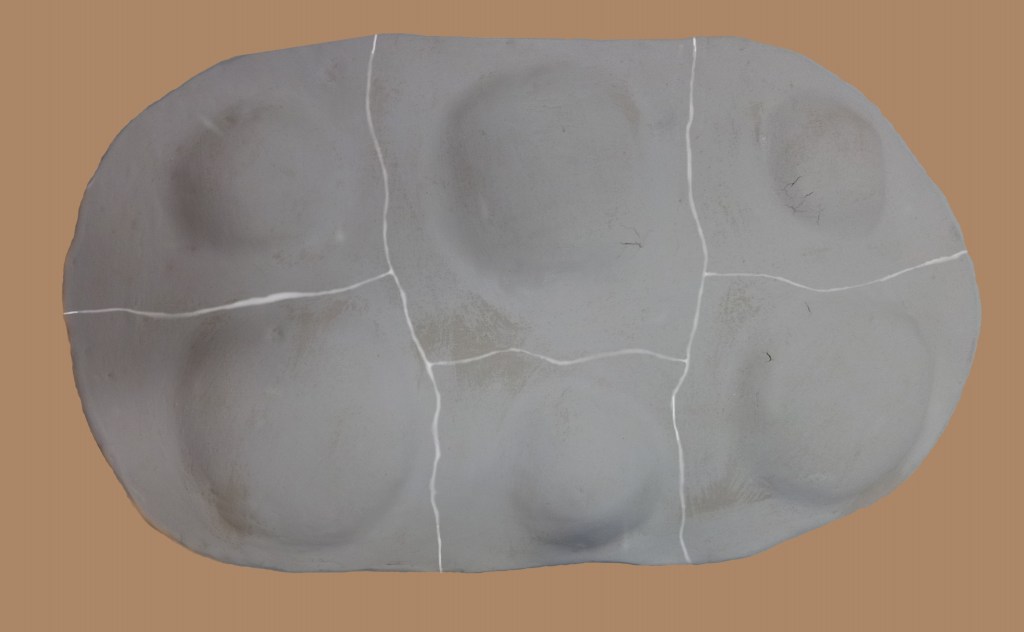
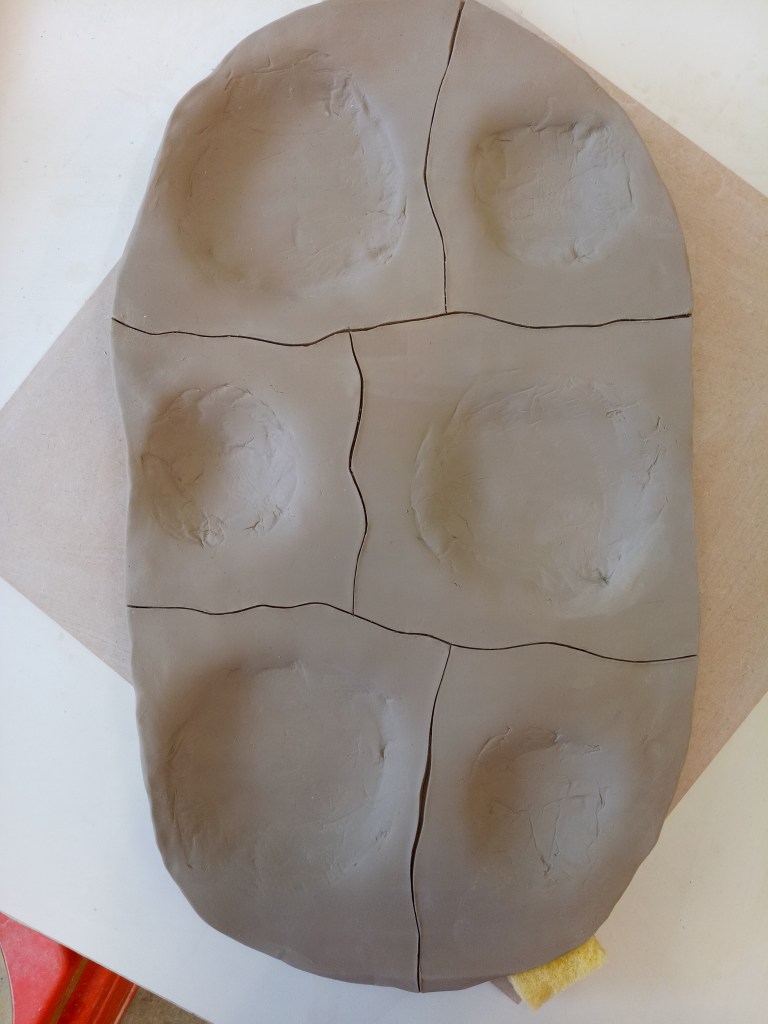
I brought 6 people together to share a meal, none of my guest knew the nature of my project. I made a large tear away plate made from one piece of clay, there are a range of small and large dents built into the one piece of clay. Whichever size plate my guest teared for themselves would determine their experience during the dinner. Either an experience of abundance and satisfaction or hunger and discomfort.
The choosing of the plate was meant to simulate the unaware and coincidental circumstances people have in the start of life. When they still do not know what type of hand they have been dealt with. But during the course of the dinner the differences between them is revealed, the guests with the large plates, not only get larger portions but are allowed as much food as they want. The guests using the smaller plates, barely received a portion and were not allowed seconds or any handouts from the guest eating more.
By bringing people together and holding them to different pecking orders, I wanted to form two temporary social wealth unbalances. By forcing my guests to share an uncomfortable and tense moment of inequality, I highlighted the problematic side of food distribution. I seek to provoke important dialogue and awareness about food poverty, a topic which is not often discussed within a group of people. I hoped my guests would gain more perspective on the subject and feel motivated to share the message.
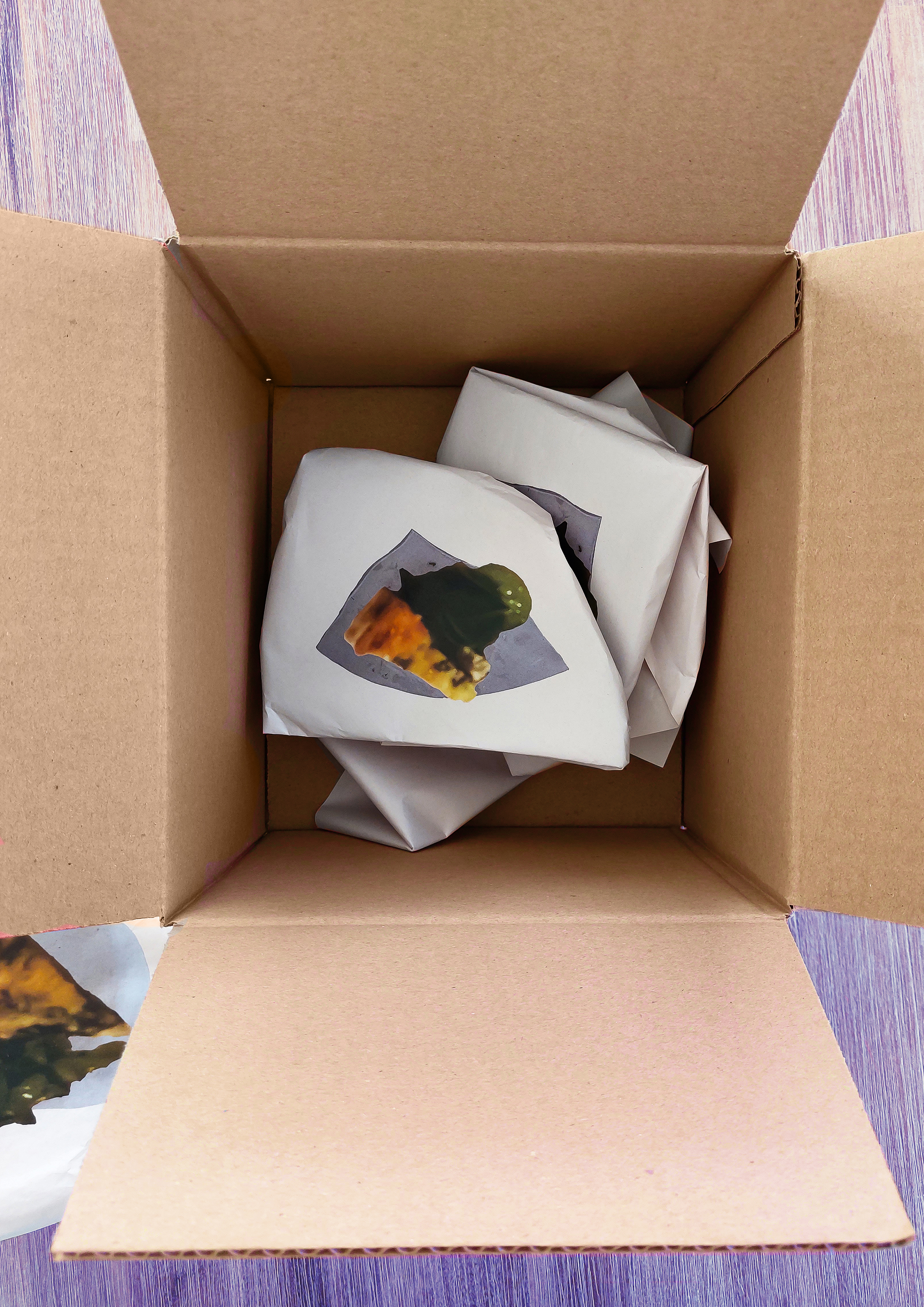
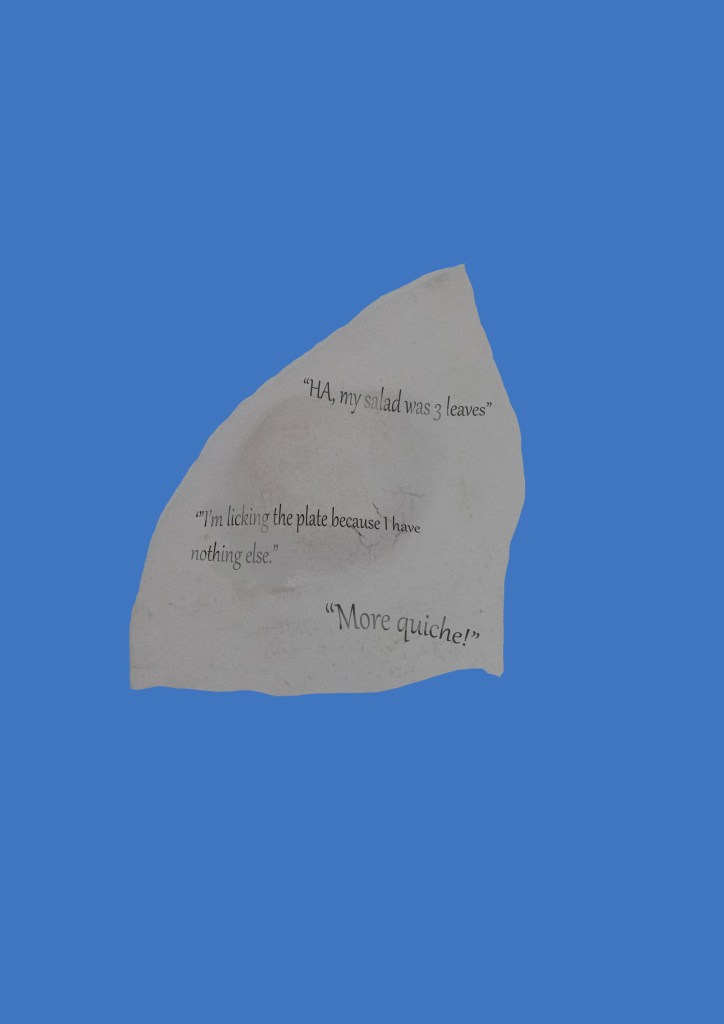
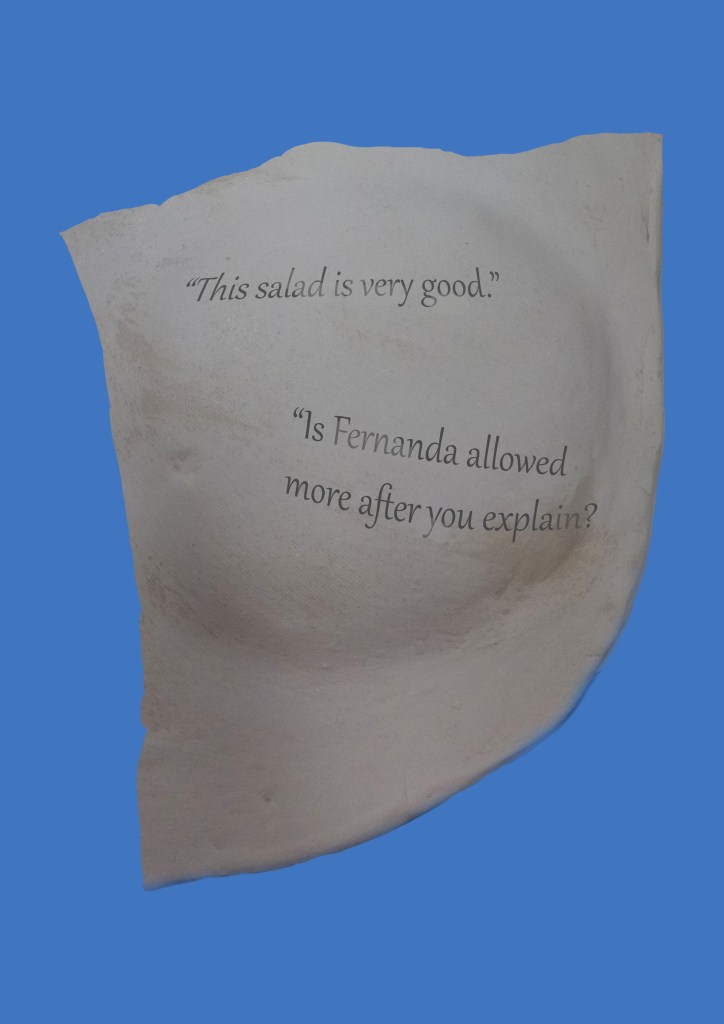
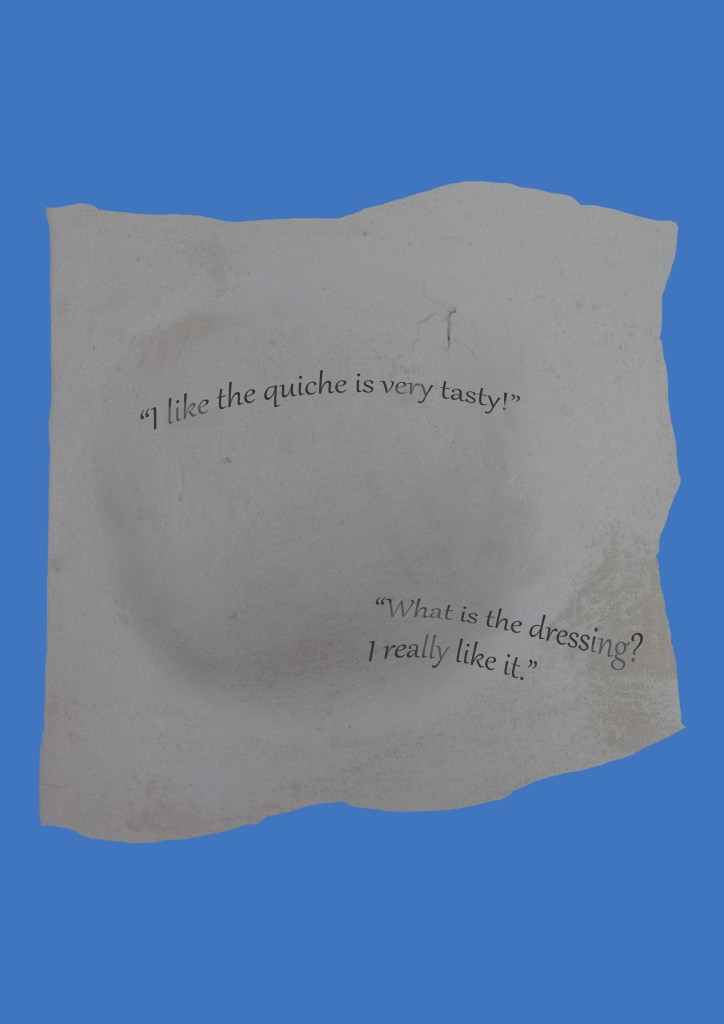
Once the dinner party was over, I kept the used oil-stained plates. I planned to write on the back of each plate, quotes my guests said during the dinner.
In this way there would be a physical recollection of not only the dinner that had taken place, but each plate would reveal the thoughts and feelings of each of my guests during the dinner.
Process Work
How it began
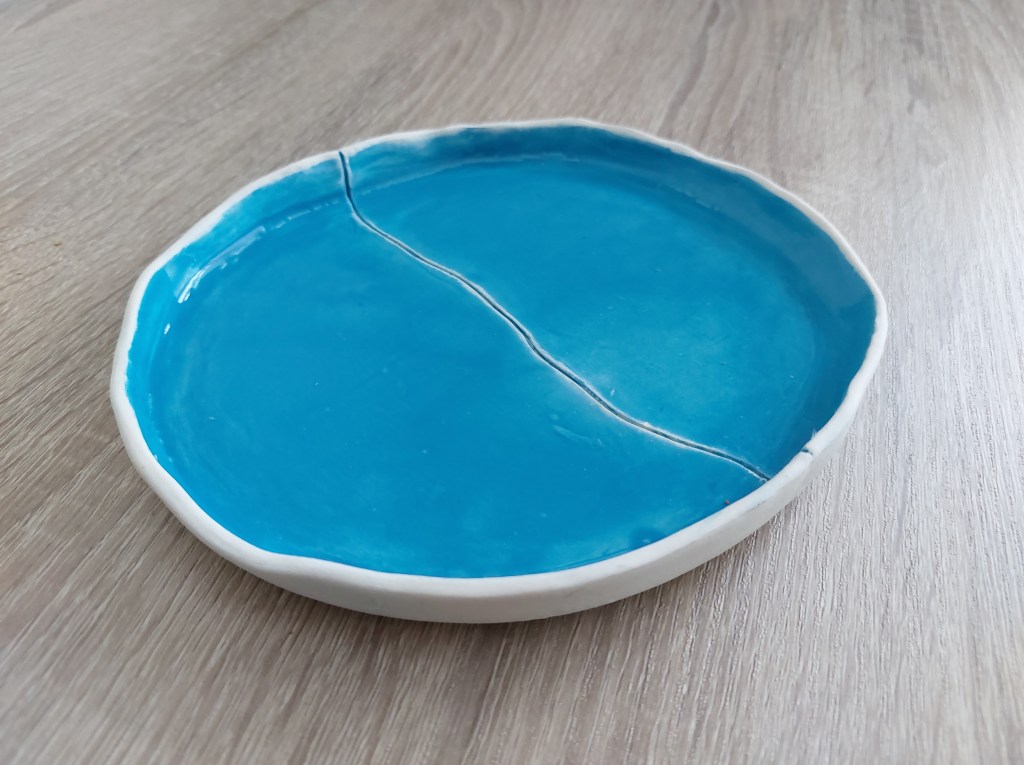
The idea began simply enough, I wanted to make a plate that was meant to be broken. I enjoyed the irony of these idea since in general people tend to be very careful with their plates and breaking them is the worst possible outcome.
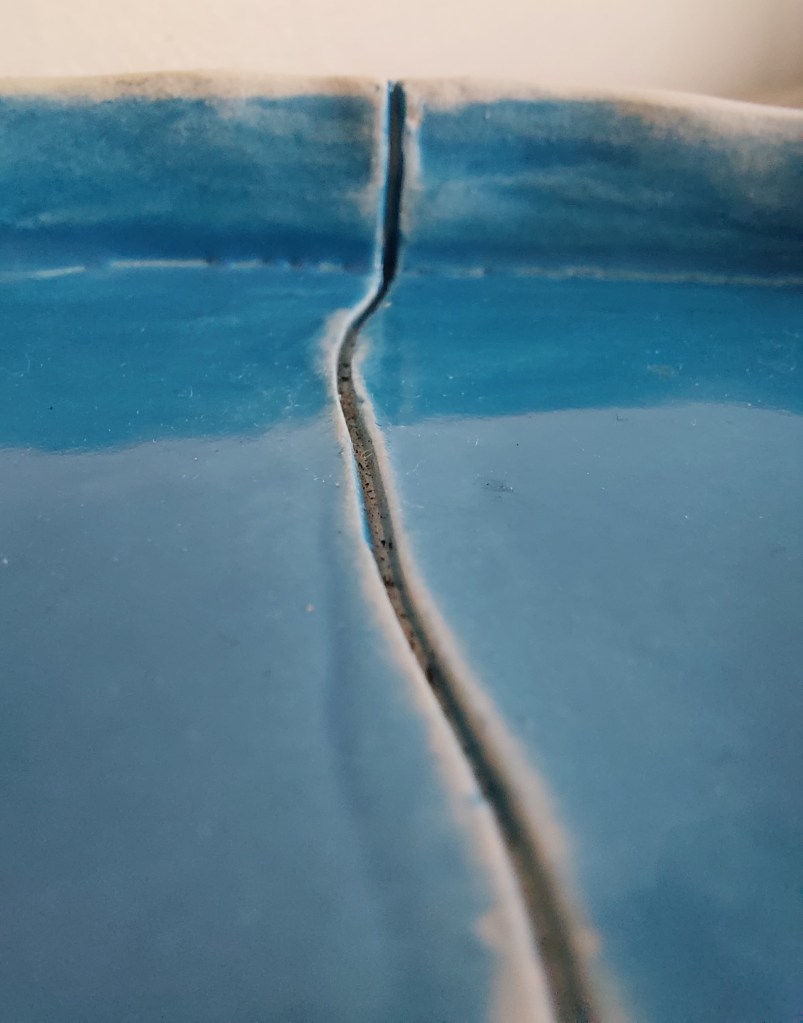
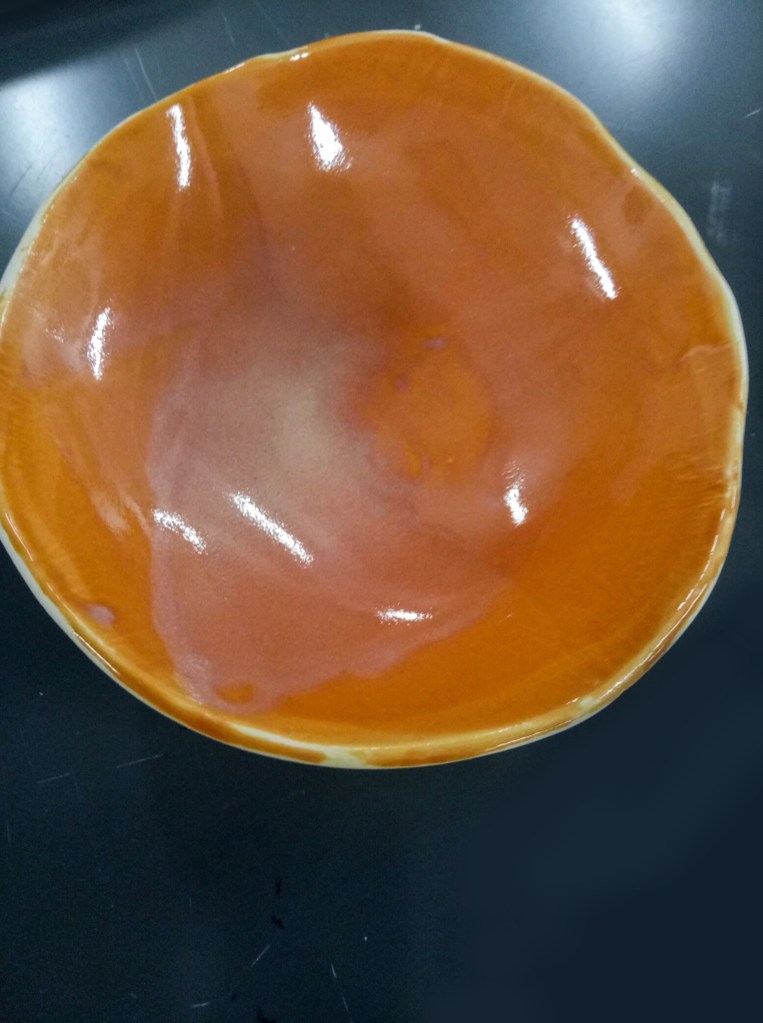
I created one flat plate and one bowl; this were my first attempts in plate making. Through testing, I found that I need to carve a line on the clay while it was still workable, to help make a more focused break. I avoided putting glaze over the carved line because once the plate is fired the layer of glaze hardens and adopts a glass like surface, that when broken one is left with a sharp blade like piece of ceramic.
I wanted to take the idea of plate breaking further, I began to plan a social event that would involve plate breaking. I found the compelling issue of, food poverty/food desert, to be the perfect subject to explore and be able to combine my plate breaking idea.
Social Conduit – An interaction normally had between people from similar communities and styles of life coming together to share their time. The social encounter is conducted to make new friendly allies around your own means and the social gathering carries no tension or uncomfortableness to either party.
For my social event, I made a point to challenge these social conduit.
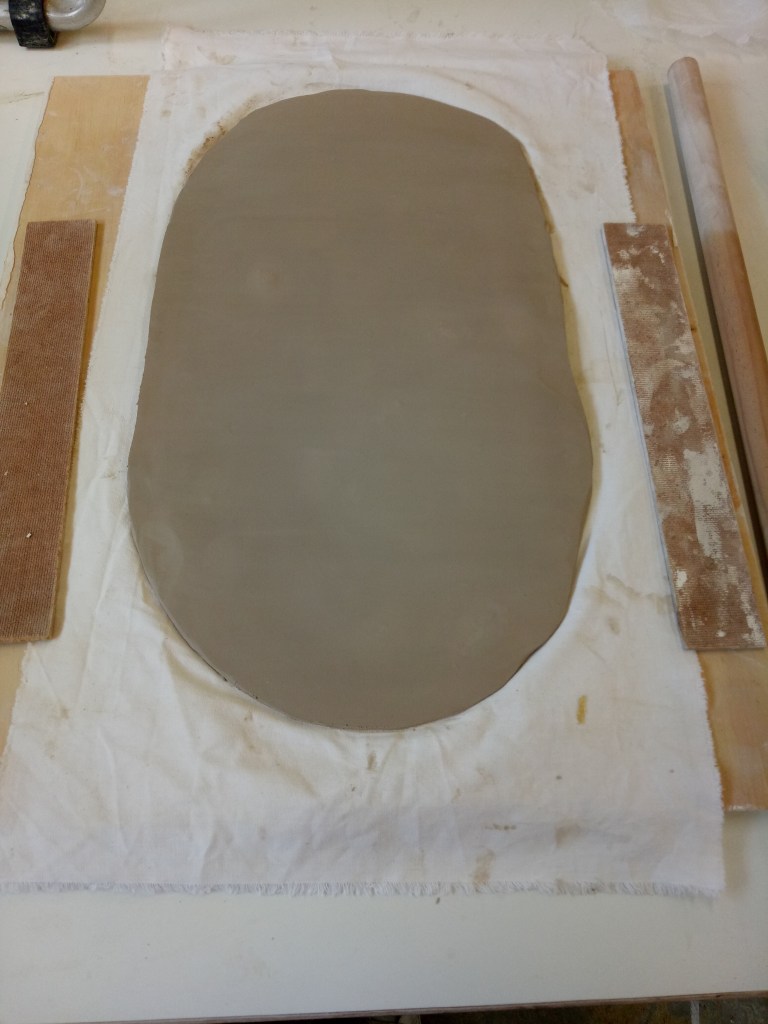
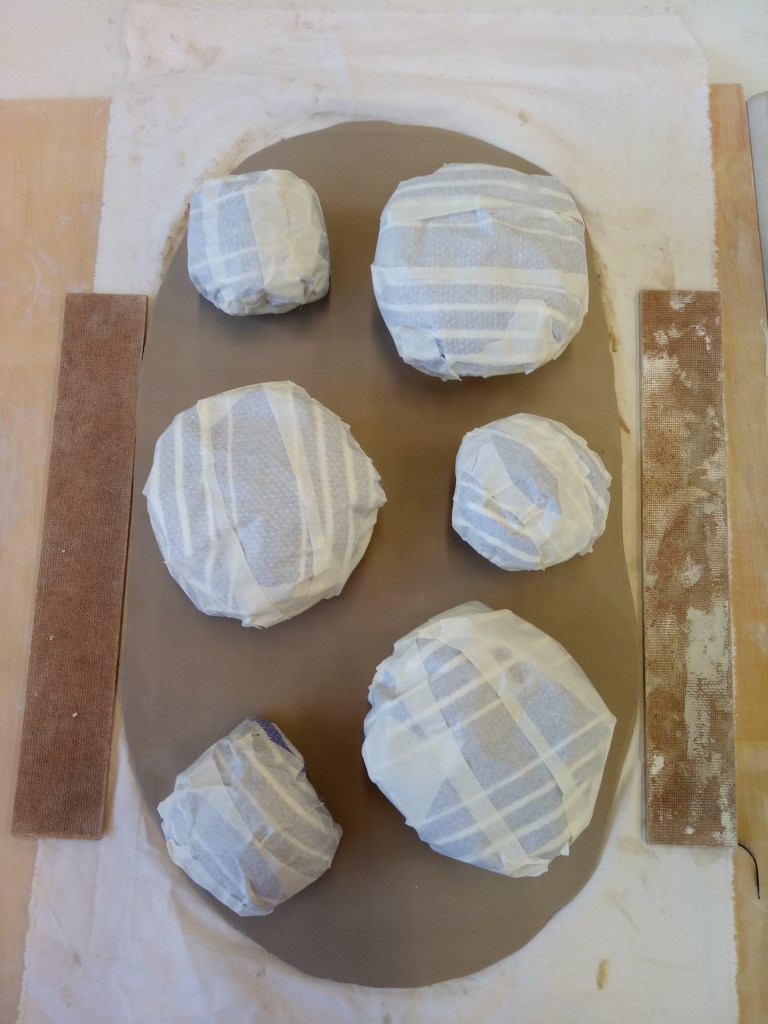
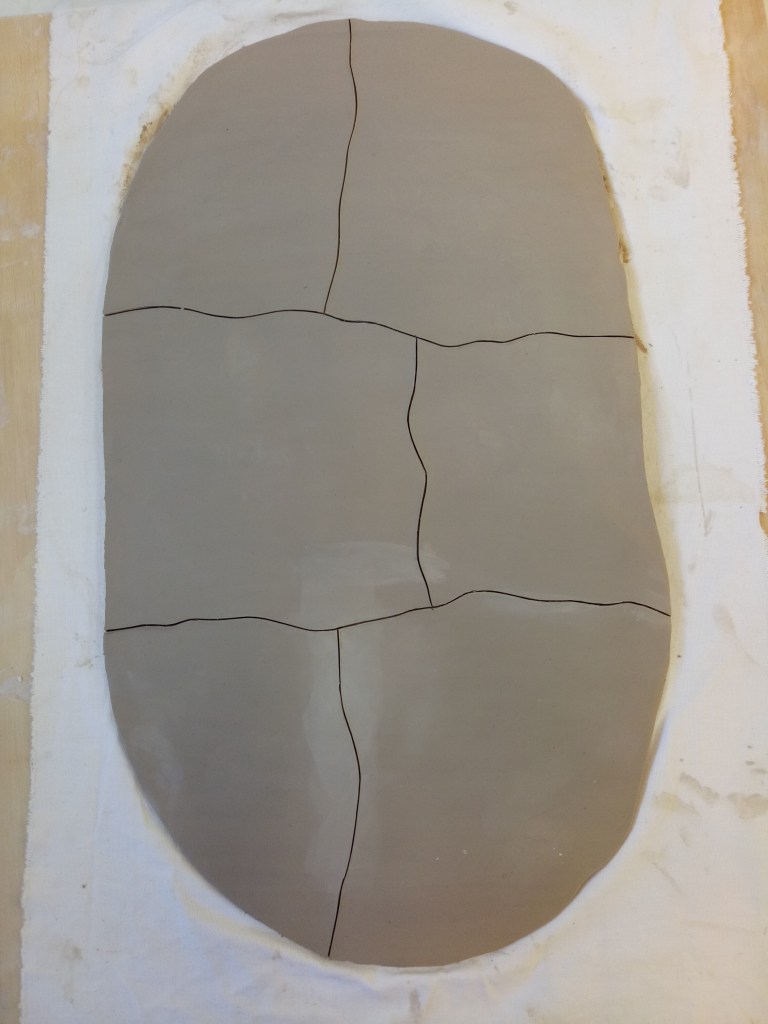
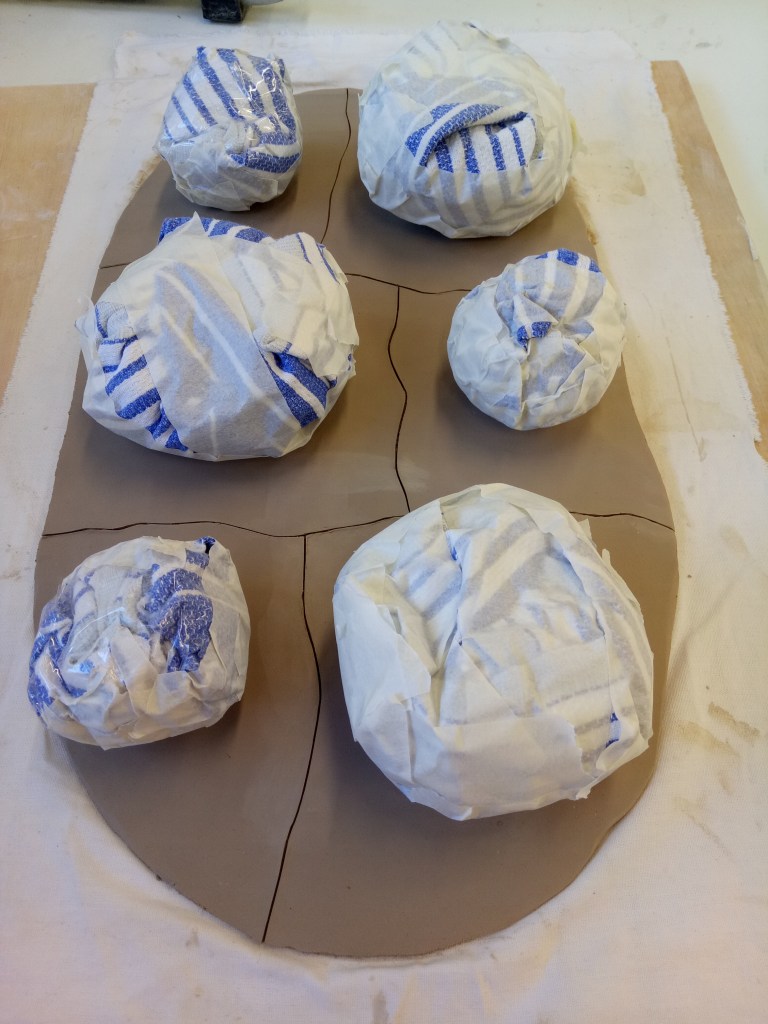
When making the tear away plate, I rolled a large piece of clay and was mindful to gently mark the diameters of the plate sizes. I knew once the plate was fired in the kiln, the marked traces would allow for my guest to break the plate in the desired shape and avoid any injuries.
For shaping the rest of the plate, I wrapped a mixture of tissues and cloths together to create 2 different sized spheres. I used the spheres to make slight dents on the clay to mark out the plates. The different sizes of the plates would determine what kind of treatment my guest would experience at the dinner.
Glaze Process

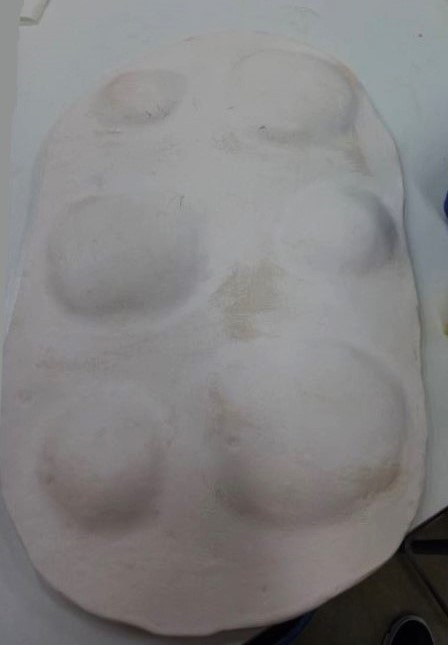
When deciding on what kind of glaze to use on the large tearaway plate, I was mindful to chose a colour that would be understated. I chose a light coloured clay and a clear glaze for the tearaway plate, to allow the food I served during the dinner; quiche with a side of salad, to better stand out. Also any stains made by the food served, would be more visible.
After the dinner was over, I wanted the plates to look used, despite any effort to clean them afterwards. The stains I felt would capture the moment and serve as a physical documentation of what had taken place in my event.
With these idea in mind, I made sure to only glaze the inside dents of each plate. Since I knew glazing the whole top surface of the plate, would be hazardous during the breaking of each plate. Also if I applied no glaze to the plates, it raised the concern that my guest could potentially digest pieces of clay, when they cut into their meal.
 Spatial Designer
Leave a comment